About Us
Steady Minds Curriculum
Steady Minds Curriculum is a 180-day behavioral support framework built for Pre-Kindergarten classrooms — children aged 3 to 5:
No existing program combines tiered intervention, daily measurable data, body-based emotional regulation, and a protocol any substitute teacher can run, all in one place.
Steady Minds is currently in classroom pilot implementation as the action-research foundation of a Master of Science in Curriculum and Instruction thesis at Western Governors University, shaped by direct feedback from early childhood educators and leaders across the country.
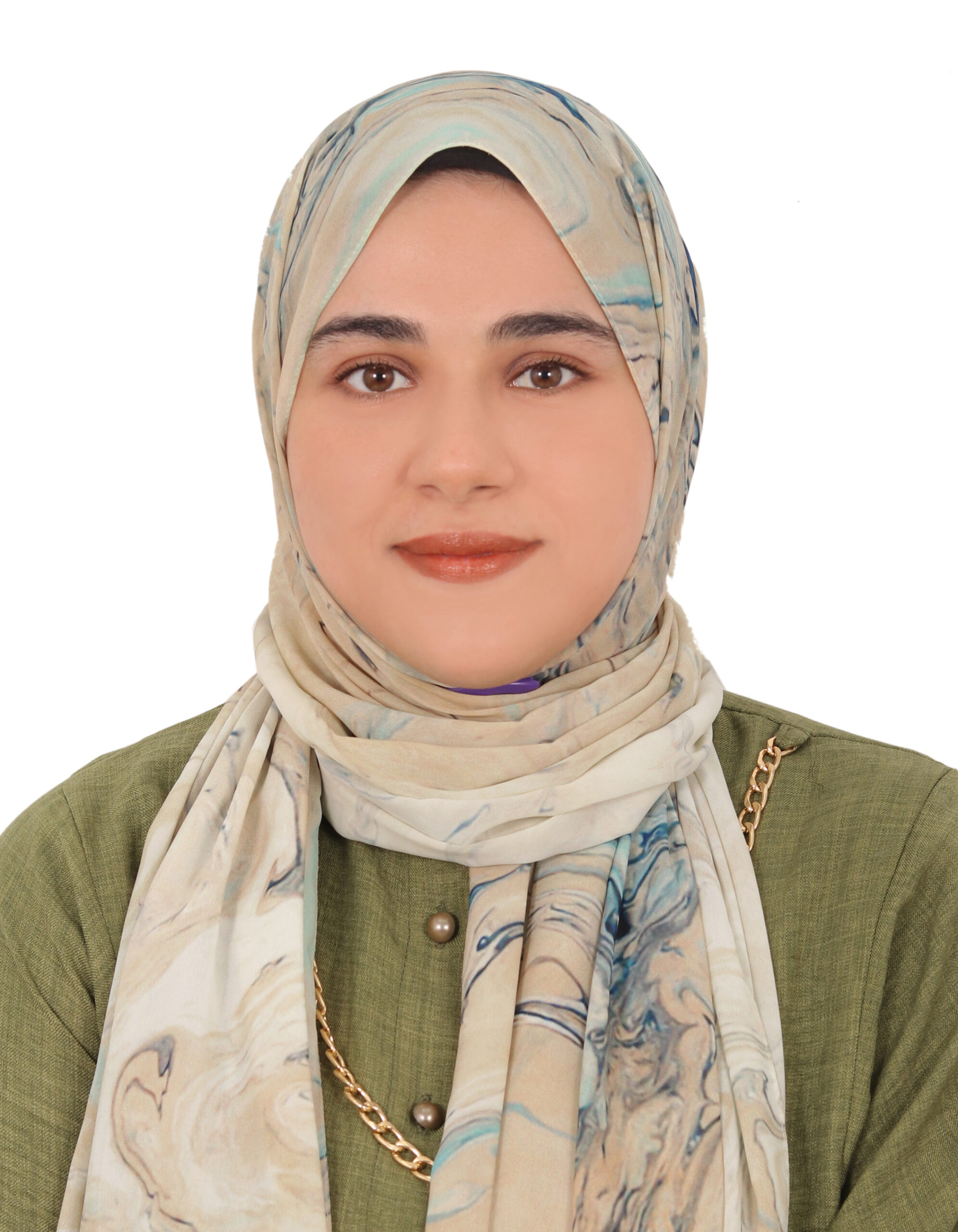
Steady Minds was not built in a research lab. It was built from real mornings in a real Pre-K classroom — watching what actually helps a child come back to steady ground.
Ranya Omran — Developer, Steady Minds Curriculum
Mission Statement
My mission is to give every Pre-K classroom a behavioral support system that actually works in real conditions — with a full classroom, a tight schedule, and whoever happens to be teaching that day. Steady Minds exists so that no child’s ability to learn is limited by a behavioral framework that only works in ideal circumstances.
Core Values
I believe behavioral support should be built on what actually happens in a classroom, not on what happens in ideal conditions. We believe a curriculum is only as strong as its weakest moment — the substitute who has never seen it before, the child having the hardest day of the year. And we believe every part of this framework should be something a real teacher can use without extra training, extra time, or extra materials.
Philosophy
Steady Minds follows a body-first approach to behavioral regulation. Before a child is asked to name a feeling, they learn to notice what it feels like in their body — a racing heartbeat, tense shoulders, fast breathing. We believe self-regulation is a skill children build gradually, with structure and repetition, not something they’re expected to already know how to do. The curriculum meets children where they are, and gives teachers a consistent, predictable system to meet them there too.
